
Body defense and regulation
Immune System
It protects us from external infectious (viral, bacterial) pathogens but also clears the organism from internal “altered self “ senescent molecules as well cancerous cells.
The types of immune mechanisms used to give an optimal response to each situation are of great complexity and diversity. They need to be targeted, respect self-structures and they need to be shut down when the “danger is over”.
The immune system has number of control mechanisms to keep its answers specific and limited in time. Nevertheless, given the complexity of the defense system, it is subject to a great variety of dysfunctions, errors and ensuing diseases.

Immune Diseases
Immune diseases arise when the body’s defense system malfunctions. They include allergies, autoimmune disorders, immune deficiencies, and complications related to transplantation or cancer immunity.
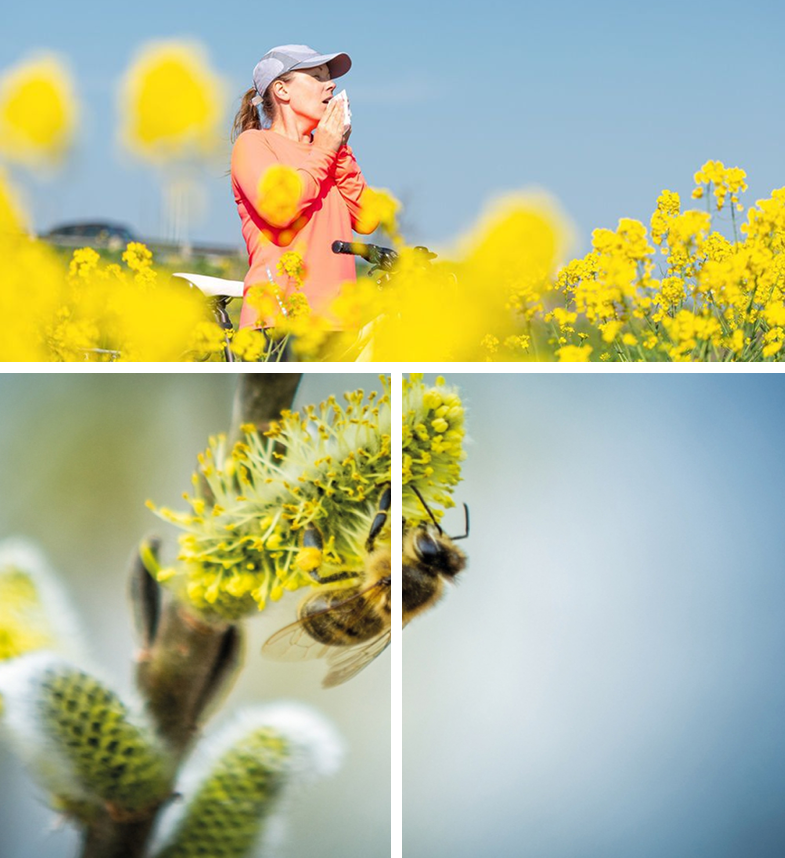
Allergic diseases occur when the immune system overreacts to harmless substances such as pollen, dust mites, animal dander, foods, or medications. Autoimmune diseases happen when the immune system mistakenly attacks the body’s own tissues, causing organ-specific or systemic inflammation.
Immune deficiencies result from the absence or malfunction of one or more immune components, increasing susceptibility to infections and other complications. In cancer or transplant settings, beneficial immune responses can be blocked or misdirected, potentially damaging tissues or jeopardizing transplant outcomes. Inflammatory mechanisms, while essential in these processes, can themselves become dysfunctional and contribute to tissue damage.
Examples of triggers and risks include:
Allergic diseases
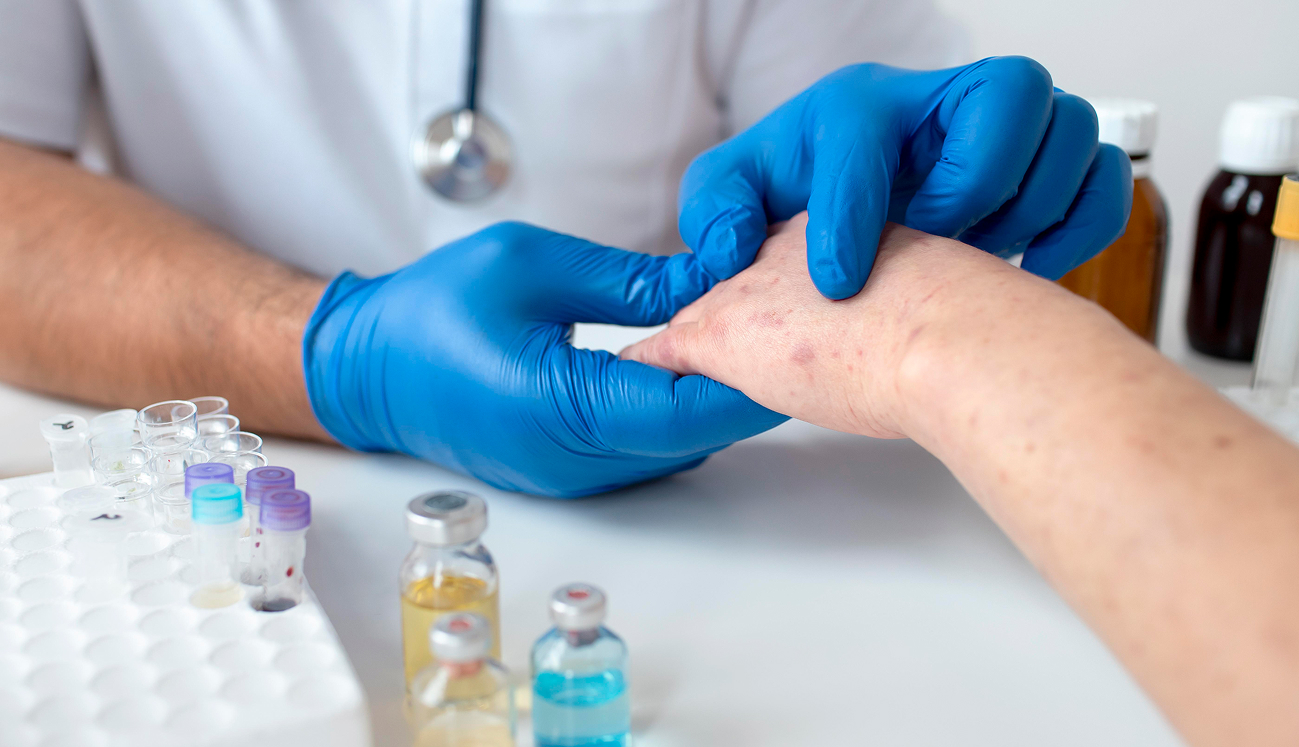
Today, atopic allergic diseases with specific IgE antibodies represent a public health concern of pandemic proportions affecting 2 out of 5 residents. Allergic manifestations commonly start at a young age or very young age and tend to become chronic.
Around 20% have rhinitis and conjunctivitis, 8% asthma, 8 % allergies to foodstuff (milk, eggs , wheat, peanuts, tree nuts, fish, shellfish) and some 15% have allergy related skin problems.
Outdoor allergens in tree and grass pollen and to a small percentage other pollen or mold spores are the sensitizers and allergy symptom triggers.
Indoor allergens from house dust mites and animal dander are somewhat less frequent trigger allergens.
Polysensitization to several allergen families is most frequent in the young adult population.
Several percentages of residents are allergic to wasp and bee stings. Several percentages also react to medicinal drugs, or to skin applied cosmetics.
From autoimmunity to rare deficiencies
Immune System Disorders

Driving scientific progress
Research & Innovation
The Luxembourg Society of Allergology and Immunology actively supports research and innovation to improve the understanding, diagnosis, and treatment of allergic and immune-related diseases. By collaborating with national and international partners, LSAI contributes to advancing scientific knowledge and fostering multidisciplinary approaches in both clinical and research settings.
Through participation in scientific initiatives, congresses, and collaborative projects, clinicians and researchers remain at the forefront of emerging discoveries.

Real-time pollen monitoring in Luxembourg
Pollen.lu
Pollen.lu provides real-time monitoring of airborne pollen levels in Luxembourg to support the management of allergic diseases. Data are collected and updated several times daily and cover the main clinically relevant allergenic pollens in the region.
Pollen concentrations are reported using standardized categories to ensure clear and consistent interpretation in clinical and daily contexts. The application is free of charge and includes practical guidance to help reduce exposure during periods of high pollen load.